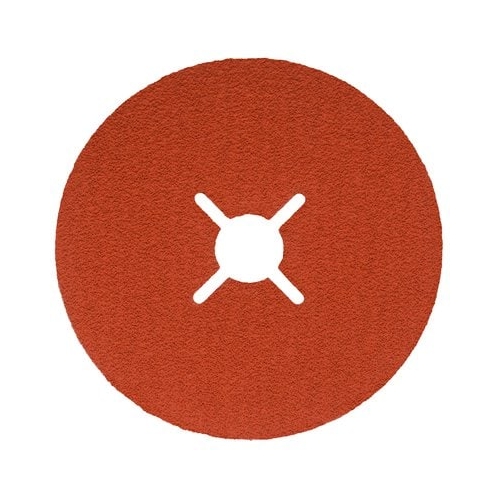
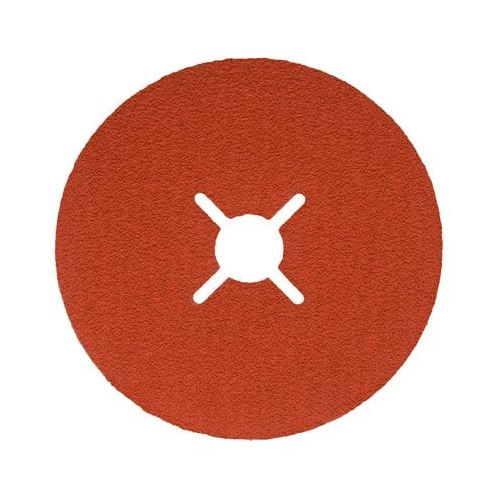


Resin Fibre Discs for Angle Grinders
Fibre discs, also called resin fibre discs, are flat abrasive discs designed for use with compatible angle grinders and backing pads. Oz Abrasives supplies fibre discs in common diameters including 100mm, 115mm, 125mm and 180mm, with aluminium oxide, zirconia, ceramic and silicon carbide options in the current catalogue.
What Are Fibre Discs Used For?
Fibre discs are used for grinding and surface preparation tasks such as weld removal, rust and scale removal, deburring, material removal and surface finishing. The correct disc depends on the material, task, abrasive type, grit, disc size and grinder/backing-pad setup.
Fibre Disc vs Grinding Disc vs Flap Disc
A fibre disc is a flexible resin-fibre abrasive used with a backing pad. A grinding disc is a rigid bonded abrasive wheel generally selected for heavier grinding. A flap disc uses overlapping abrasive flaps and can combine material removal with blending and finishing. Choose the product type according to the operation and manufacturer specification.
Choosing the Right Fibre Disc Abrasive
Aluminium oxide is represented in the current Oz range as a general-purpose fibre-disc option. Zirconia products are available for demanding metal applications, including products specifically identified for stainless steel. Ceramic fibre discs are also available, including products positioned for steel/stainless applications. Silicon carbide fibre-disc products are present in the catalogue. Final material suitability should always follow the individual product specification.
Fibre Discs for Steel
Oz Abrasives stocks aluminium oxide, zirconia and ceramic fibre-disc products that are identified for steel or general metal applications. Match the abrasive and grit to the required material removal and finish.
Fibre Discs for Stainless Steel
The current catalogue includes Klingspor and other fibre-disc products specifically identified for stainless steel. Select a product whose listing or manufacturer documentation confirms stainless-steel suitability.
Fibre Discs for Aluminium
Aluminium and other non-ferrous metals can behave differently during abrasive grinding. Select a fibre disc specifically specified for aluminium/non-ferrous applications where available, and follow the manufacturer's application guidance.
Fibre Disc Grit Guide
The current category exposes coarse grits such as 24, 36 and 40, medium options including 50, 60 and 80, and finer options including 100 and 120. Coarser grits are generally selected for more aggressive material removal, while finer grits are used when a smoother grinding result is required. Exact product recommendations should be based on the material and task.
Fibre Disc Sizes
The current category exposes 100mm, 115mm, 125mm and 180mm fibre discs. Match the disc diameter and bore to the compatible grinder, backing pad and product specification.
Backing Pads and Compatibility
Fibre discs are designed to be supported by a compatible backing pad. Confirm that the pad diameter, mounting arrangement, disc bore and grinder are compatible with the individual product. Do not use a fibre disc without the support and mounting arrangement specified by the manufacturer.
Fibre Discs for Weld Removal and Deburring
Fibre discs can be used for weld removal, rust/scale removal, deburring and surface preparation where the product is specified for the material and operation. Choose the abrasive type and grit according to the amount of material to remove and the desired finish.
Fibre Discs vs Sanding Discs
Fibre discs in this category are intended for compatible angle-grinder applications with backing-pad support. Other sanding discs, such as hook-and-loop or PSA discs, are designed for different tools and mounting systems. Match the disc to the machine and backing system rather than relying on diameter alone.
Why Buy Fibre Discs from Oz Abrasives?
Oz Abrasives offers fibre discs from brands including Klingspor, TAF, 3M and Generic ranges, with multiple diameters, abrasive types and grit options. The category is supported by related grinding-disc and abrasive content to help customers select an appropriate product.
Frequently Asked Questions
What is a fibre disc?
A fibre disc is a flat abrasive disc with a fibre backing, used with a compatible backing pad on an angle grinder for grinding and surface preparation.
What are resin fibre discs used for?
They are used for grinding, weld removal, deburring, rust/scale removal and surface preparation where the individual product is suitable for the material and operation.
Do fibre discs need a backing pad?
The fibre discs in this category are designed for use with compatible backing-pad support. Always follow the specific disc and backing-pad manufacturer's instructions.
What grit fibre disc should I use?
Choose grit according to the material-removal requirement and desired finish. The Oz category currently includes grits from 24 through 120+.
What is the difference between zirconia and ceramic fibre discs?
Both are abrasive options in the Oz catalogue. The appropriate choice depends on the material, application and product specification; ceramic products are commonly positioned for demanding metal applications, while zirconia products are available for demanding metal and stainless-steel work.
What size fibre disc do I need?
Match the diameter and bore to your angle grinder and compatible backing pad. Oz currently exposes 100mm, 115mm, 125mm and 180mm options.
Can fibre discs be used on stainless steel?
Yes, where the individual product is specified for stainless steel. Oz's current range includes fibre discs explicitly identified for stainless-steel applications.
Can fibre discs be used on aluminium?
Only use a product whose specification confirms aluminium/non-ferrous suitability.
What is the difference between a fibre disc and a flap disc?
Fibre discs use a flat resin-fibre backing and backing pad, while flap discs use overlapping abrasive flaps. The best choice depends on the required material removal, blending and finish.
Can I use a fibre disc without a backing pad?
Do not use a fibre disc without the support and mounting arrangement specified by the manufacturer.